

How to Evaluate an AI Coding Assistant When You’re Not a Developer
A practical checklist for non-developers to evaluate AI coding assistants: usability, privacy, integrations, offline options, hallucination risks, and cost trade-offs.
A practical checklist for non-developers to evaluate AI coding assistants: usability, privacy, integrations, offline options, hallucination risks, and cost trade-offs.
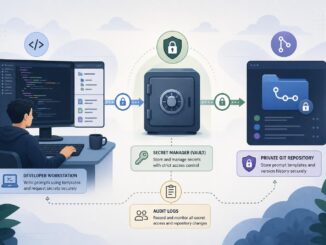
A practical tutorial on storing, versioning, and auditing prompts safely: secret stores, redaction, git-backed templates, access controls, and audit patterns.

A practical, low-data workflow to build an AI customer support bot: define scope, prepare small datasets, use RAG-lite or lightweight models, test guardrails, deploy.

Step-by-step guide to build a reliable AI meeting summaries workflow: choose tools, record and transcribe, integrate notes, craft prompts, QA results, and automate delivery.

Step-by-step guide to building a reliable AI research assistant that returns sourced answers, verifies claims automatically, and flags items for human review.

A hands-on playbook for teams to simulate risky LLM behavior, lock down file permissions, run safe tests, monitor activity, and prepare incident playbooks.

A compact, step-by-step 12‑point checklist to audit an AI tool’s data handling—collection, retention, sharing, training risk, vendor contracts, access controls, and tests.

A practical checklist for engineering managers to evaluate AI code tools: data handling, sandboxing, telemetry, training claims, logging, incident response and vendor questions.

Compare six text-to-video tools and follow a step-by-step workflow to produce 30–60s marketing videos: scripts, prompt templates, shot breakdown, captions, exports.

A practical, no-code 6-step guide to connect ChatGPT to your CRM and outreach tools. Includes templates, validation checks, follow-up automation, and privacy tips.
Copyright © 2026 | WordPress Theme by MH Themes